

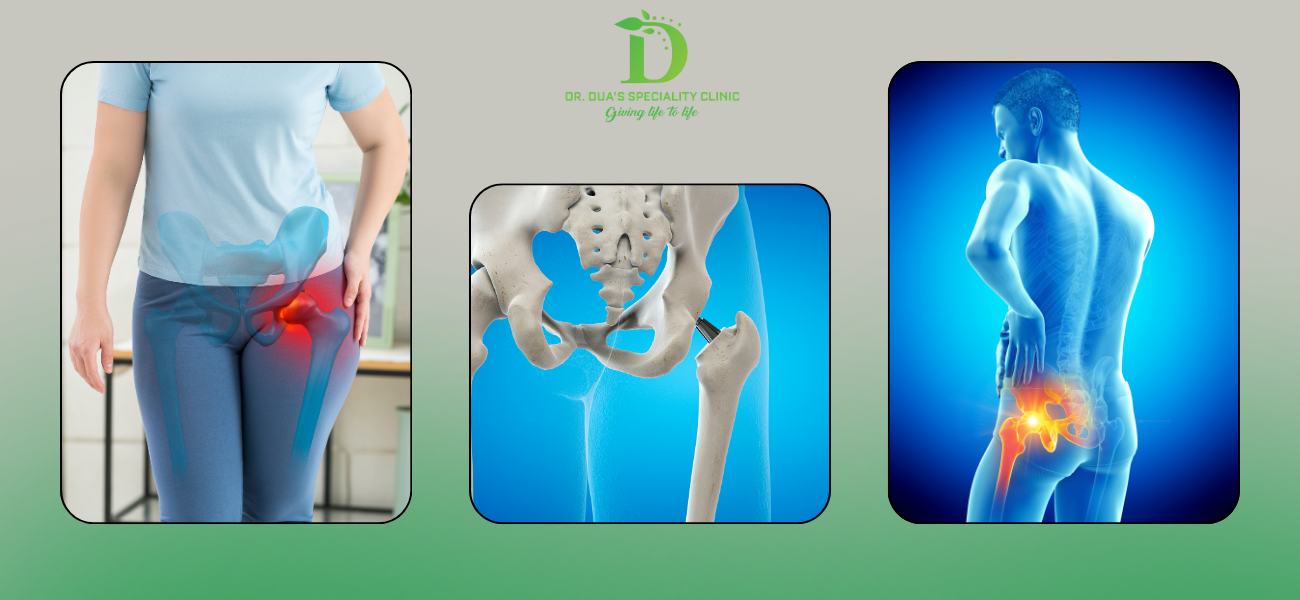
Hip pain rarely announces itself loudly in the beginning. For most people, it starts quietly — a slight discomfort while standing after long sitting hours, stiffness during morning walks, or pain that appears only after climbing stairs. At first, people ignore it. They assume it is fatigue, aging, or temporary muscle strain.
But as weeks pass, the discomfort slowly transforms into limitation. Walking distances become shorter. Sitting cross-legged feels impossible. Sleep gets disturbed because turning in bed causes pain. Daily activities that once felt effortless suddenly require planning and support.
This is the moment when many patients begin searching online for Hip Replacement Surgery in Delhi, not because they want surgery, but because they want their normal life back.
Understanding hip replacement properly removes fear and helps patients make confident medical decisions.
Earlier, hip replacement surgery was associated mainly with elderly individuals. Today, orthopedic clinics across Delhi are seeing younger patients suffering from severe hip joint degeneration.
Modern lifestyles have changed how our joints function. Long working hours, sedentary habits, obesity, untreated injuries, arthritis, and delayed medical consultation gradually damage the hip joint. Many people depend on painkillers for months or years, which temporarily reduce pain but do not stop joint deterioration.
The hip joint carries the entire body weight. When cartilage begins wearing out, every step creates friction between bones. Over time, inflammation increases, mobility decreases, and pain becomes constant.
Patients often reach a stage where even short walks feel exhausting. At this point, consulting a Hip Replacement Surgery Doctor in Delhi becomes necessary rather than optional.
The hip joint works like a ball fitting perfectly inside a socket. Smooth cartilage covers both surfaces, allowing effortless movement without friction.
When arthritis, avascular necrosis, injury, or degeneration damages this cartilage, bones begin rubbing directly against each other. This leads to stiffness, swelling, reduced flexibility, and continuous pain.
Unlike muscles, damaged cartilage cannot regenerate naturally. Physiotherapy and medicines help in early stages, but once joint damage becomes advanced, they provide only temporary relief.
This is where Total Hip Replacement Surgery becomes a long-term solution instead of repeated short-term treatments.
Many patients delay surgery because they believe it should only be done when walking becomes impossible. Modern orthopedic science recommends surgery much earlier — when pain starts affecting quality of life.
If a person experiences persistent hip or groin pain, difficulty walking, stiffness after rest, or dependence on pain medications, doctors may suggest Hip Replacement Treatment Surgery in Delhi.
The goal is not just pain removal but restoration of mobility and independence.
Early surgery often leads to faster recovery because muscles remain stronger and joint deformity remains limited.
During Total Hip Replacement Surgery in Delhi, the damaged joint surfaces are carefully replaced with artificial implants designed to mimic natural joint movement.
The surgeon removes the worn-out bone and cartilage and replaces them with:
Modern implants use advanced materials such as ceramic and high-grade metal, allowing smooth movement and long-term durability.
With modern surgical techniques, blood loss remains minimal, pain control improves significantly, and patients often start walking within a day or two.
One of the biggest fears patients have is whether life will return to normal after surgery.
In reality, many patients experience life-changing improvement. Activities once avoided — walking, travelling, social gatherings, and even light exercise — become possible again.
Patients frequently describe the feeling as “getting their life back.”
Successful Hip Replacement in Delhi does not just remove pain; it restores confidence and independence.
Recovery begins immediately after surgery. Doctors encourage early mobilization because movement helps prevent stiffness and speeds healing.
Patients usually stand with support within 24 hours. Physiotherapy focuses on strengthening muscles, improving balance, and restoring normal walking patterns.
Within a few weeks, most patients resume routine activities. Complete recovery continues over several months as strength and flexibility improve.
Consistency in rehabilitation plays a major role in long-term success.
The success of surgery depends heavily on surgical expertise. Patients searching for the Best Hip Replacement Surgeon in Delhi should focus on experience, patient outcomes, and personalized care rather than advertisements alone.
A good surgeon evaluates lifestyle, bone condition, and medical history before planning treatment. Proper implant selection and surgical precision significantly improve long-term results.
Delhi has become a leading center for joint replacement due to advanced hospitals and experienced orthopedic specialists.
Patients usually arrive with many doubts. Addressing these concerns helps reduce anxiety and builds clarity before treatment.
The cost of hip replacement surgery in Delhi varies depending on hospital facilities, implant type, surgical technique, and patient condition. On average, the procedure may range between ₹2.5 lakh to ₹5 lakh. Advanced implants or robotic-assisted procedures may slightly increase costs. Many hospitals also provide insurance and cashless treatment options.
Dr. Apoorv Dua is a joint replacement specialist known for treating knee and hip joint conditions using advanced surgical techniques. Patients consult him for arthritis management, joint preservation treatments, and joint replacement surgeries aimed at restoring mobility and reducing chronic pain.
Finding the right surgeon involves evaluating experience, specialization in joint replacement, patient reviews, surgical volume, and rehabilitation support. A surgeon who explains treatment clearly and provides long-term follow-up care usually delivers better outcomes.
The “90% rule” refers to a post-surgery precaution where patients avoid bending the hip beyond a 90-degree angle during early recovery. This helps prevent joint dislocation while tissues heal around the new implant.
Modern hip replacement surgery is considered safe with high success rates when performed by experienced surgeons. Advanced anesthesia, infection control protocols, and improved surgical techniques have significantly reduced complications.
There is no strict age limit. Doctors evaluate overall health rather than age alone. Younger patients may undergo surgery if pain severely affects life, while elderly patients can also benefit if they remain medically fit for surgery.
Many people wonder whether implants last a lifetime. Modern implants often last 15–25 years or longer depending on lifestyle and bone health.
Some fear they may not walk normally again. In reality, most patients walk better after surgery because joint pain disappears.
Others worry about long bed rest. Modern recovery protocols encourage early walking, reducing complications and speeding healing.
Chronic hip pain affects more than physical health. It limits independence, reduces confidence, and slowly impacts mental wellbeing.
Patients often stop attending social events or traveling because movement becomes painful. Hip replacement surgery often restores emotional freedom alongside physical mobility.
The ability to walk without pain brings psychological relief that medicines alone cannot provide.
Orthopedic technology continues evolving rapidly. Precision surgical planning, minimally invasive approaches, and faster rehabilitation methods are transforming outcomes.
Today’s Best Joint Hip Replacement Surgeon in Delhi focuses not only on replacing joints but also on restoring natural movement patterns and improving long-term quality of life.
Many people accept hip pain as part of aging, but persistent pain always has a medical cause.
Timely consultation, accurate diagnosis, and appropriate treatment can prevent years of suffering.
If daily activities feel limited because of hip discomfort, consulting a Hip Replacement Surgery Doctor in Delhi could be the first step toward regaining mobility, independence, and confidence.
Modern hip replacement surgery offers not just treatment — it offers a return to active living.

Dr Apoorv is one of the best orthopaedic surgeons in South Delhi. There are multiple streams of medical sciences in which he has a specialisation. Some of the major areas are Hip, Knee and Shoulder Replacement and Reconstruction, FIFA Diploma in Football Medicine (Switzerland), IFICS Fellowhip in Paediatric fractures.
Dr Apoorv Dua Clinic © 2026 | Designed by Artistry Media