
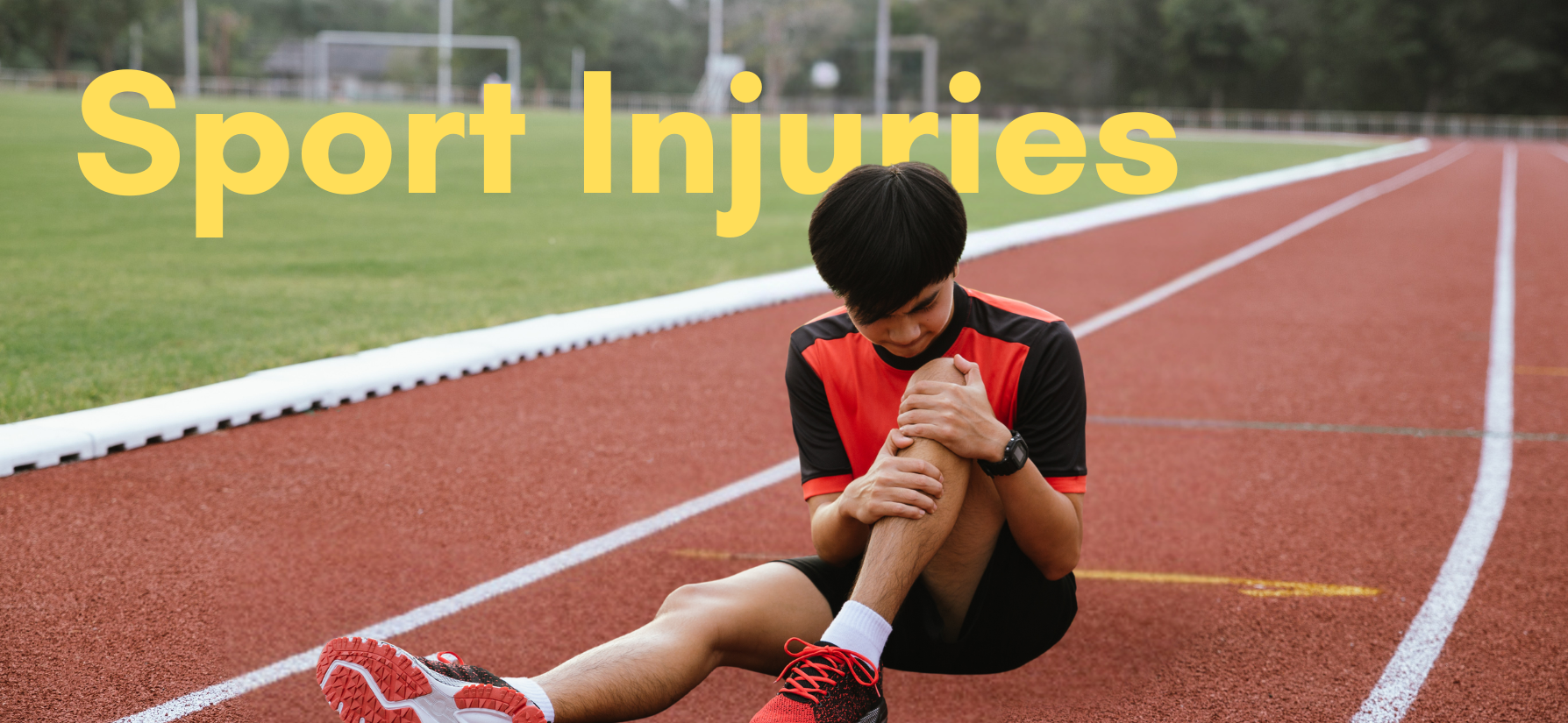
Sports and physical activity are an important part of a healthy lifestyle. From professional athletes to fitness enthusiasts and weekend players, staying active improves strength, stamina, and mental well-being. However, with physical activity comes the risk of sports injury, which can affect anyone—regardless of age or fitness level.
Many people ignore early signs of injury, assuming pain will settle on its own. In reality, untreated sports injuries can worsen over time, leading to long-term damage, reduced performance, or even permanent mobility issues. Understanding sports injuries, their causes, and the right approach to treatment is essential for safe recovery and injury prevention.
This blog explains sports injury in a simple, practical way—what causes it, common types, symptoms you should not ignore, treatment options, and how to return to activity safely without rushing the healing process.
What Is a Sports Injury?
A sports injury refers to damage to muscles, ligaments, tendons, joints, or bones caused during physical activity or exercise. These injuries may occur suddenly due to trauma or develop gradually due to overuse and repetitive stress.
Sports injuries are not limited to athletes. They are commonly seen in:
- Gym-goers and runners
- School and college players
- Fitness beginners
- People returning to exercise after a long break
- Individuals with poor posture or improper technique
Common Causes of Sports Injuries
Most sports injuries are preventable. They usually happen due to one or more of the following reasons:
Poor Warm-Up or Stretching
Skipping warm-up reduces muscle flexibility and increases the risk of sudden tears or strains.
Overuse and Repetitive Stress
Repeating the same movement without adequate rest can overload muscles and joints, leading to gradual injury.
Incorrect Technique
Wrong posture, poor form, or improper movement patterns place abnormal stress on the body.
Sudden Increase in Activity
Increasing workout intensity or duration too quickly does not give the body time to adapt.
Inadequate Rest and Recovery
Continuous training without rest weakens tissues and delays healing.
Improper Equipment
Wearing unsuitable footwear or using faulty sports gear can contribute to injury.
Types of Sports Injuries
Sports injuries vary depending on the activity and body part involved. Some of the most common types include:
Muscle Strains
Muscle strains occur when muscle fibers are overstretched or torn. They are commonly seen in the hamstrings, calves, shoulders, and lower back.
Symptoms:
- Sudden pain
- Muscle weakness
- Swelling or bruising
Ligament Sprains
Ligament sprains happen when ligaments connecting bones are stretched or torn. Ankles and knees are most commonly affected.
Symptoms:
- Joint pain
- Swelling
- Instability
Tendon Injuries
Tendons connect muscles to bones. Repetitive stress can cause inflammation or degeneration.
Common examples:
- Tennis elbow
- Achilles tendon injury
- Rotator cuff injury
Joint Injuries
Sports involving twisting, jumping, or sudden direction changes can damage joints.
Examples:
- Meniscus tear
- Shoulder dislocation
- Knee ligament injury
Stress Fractures
Stress fractures are tiny cracks in bones caused by repetitive impact, commonly seen in runners and athletes.
Symptoms:
- Pain that increases with activity
- Localized tenderness
- Swelling
Early Symptoms You Should Not Ignore
Ignoring early warning signs is one of the biggest mistakes people make. Seek attention if you notice:
- Pain that persists beyond a few days
- Swelling that does not reduce
- Limited range of motion
- Pain that worsens during activity
- Repeated injuries to the same area
- Feeling of joint instability
Early intervention often prevents minor injuries from becoming serious problems.
How Sports Injuries Are Diagnosed
Accurate diagnosis is essential for proper recovery. Evaluation usually includes:
- Detailed history of the injury
- Physical examination
- Imaging tests such as X-rays or MRI (if needed)
Correct diagnosis helps identify the extent of damage and guides appropriate treatment.
Sports Injury Treatment: What Are the Options?
Treatment depends on the type and severity of injury. Most sports injuries do not require surgery and can be managed with conservative care.
Rest and Activity Modification
Reducing or stopping the activity that caused the injury allows healing to begin.
Physiotherapy and Rehabilitation
Structured exercises improve strength, flexibility, and stability, reducing the risk of re-injury.
Pain and Inflammation Management
Medications, ice therapy, and supportive measures help control pain and swelling.
Advanced Non-Surgical Treatments
In some cases, targeted therapies may be used to support tissue healing and recovery.
Surgical Treatment (When Required)
Surgery is considered only when conservative treatments fail or in cases of severe ligament or joint damage.
Recovery: Why Patience Matters
One of the most common reasons for repeat sports injury is returning to activity too early. Recovery should be gradual and guided by symptoms, not timelines.
Safe recovery includes:
- Completing rehabilitation exercises
- Restoring full strength and flexibility
- Gradual return to sport-specific movements
- Listening to the body’s signals
Rushing recovery often leads to chronic pain or repeated injury.
Preventing Sports Injuries
Prevention is always better than treatment. Simple habits can significantly reduce injury risk:
- Warm up before activity
- Stretch after workouts
- Maintain proper posture and technique
- Increase intensity gradually
- Use appropriate footwear and equipment
- Include rest days in training schedules
Consistency with these practices protects long-term joint and muscle health.
Sports Injuries and Mental Health
Injuries don’t just affect the body—they impact mental well-being too. Athletes and active individuals often experience frustration, anxiety, or loss of confidence during recovery.
Acknowledging the mental side of injury and staying patient with the healing process is just as important as physical treatment.
When Should You See a Sports Injury Specialist?
You should consider consulting a specialist if:
- Pain lasts more than a few weeks
- Injuries keep recurring
- Daily activities are affected
- Joint feels unstable or weak
- Recovery is slower than expected
Proper guidance ensures safe healing and prevents long-term complications.
A Thoughtful Approach to Sports Injury Care
According to Dr. Apoorv Dua, an experienced orthopedic specialist with a special interest in sports injuries, treatment should focus not only on pain relief but also on restoring movement, strength, and confidence. He emphasizes that every sports injury is different and requires an individualized approach based on the patient’s activity level, goals, and overall health. Early diagnosis, structured rehabilitation, and patient education play a key role in long-term recovery and injury prevention.
This balanced, patient-centered approach helps individuals return to activity safely rather than rushing back too soon.
Final Thoughts
Sports injuries are common, but they should never be ignored. Understanding your body, recognizing early symptoms, and following the right treatment plan can prevent long-term damage and repeated setbacks.
Whether you are a professional athlete or someone who enjoys staying active, taking sports injuries seriously is essential for maintaining mobility, strength, and quality of life. With timely care, proper rehabilitation, and expert guidance, most sports injuries heal well—allowing you to return stronger, safer, and more confident than before.
