
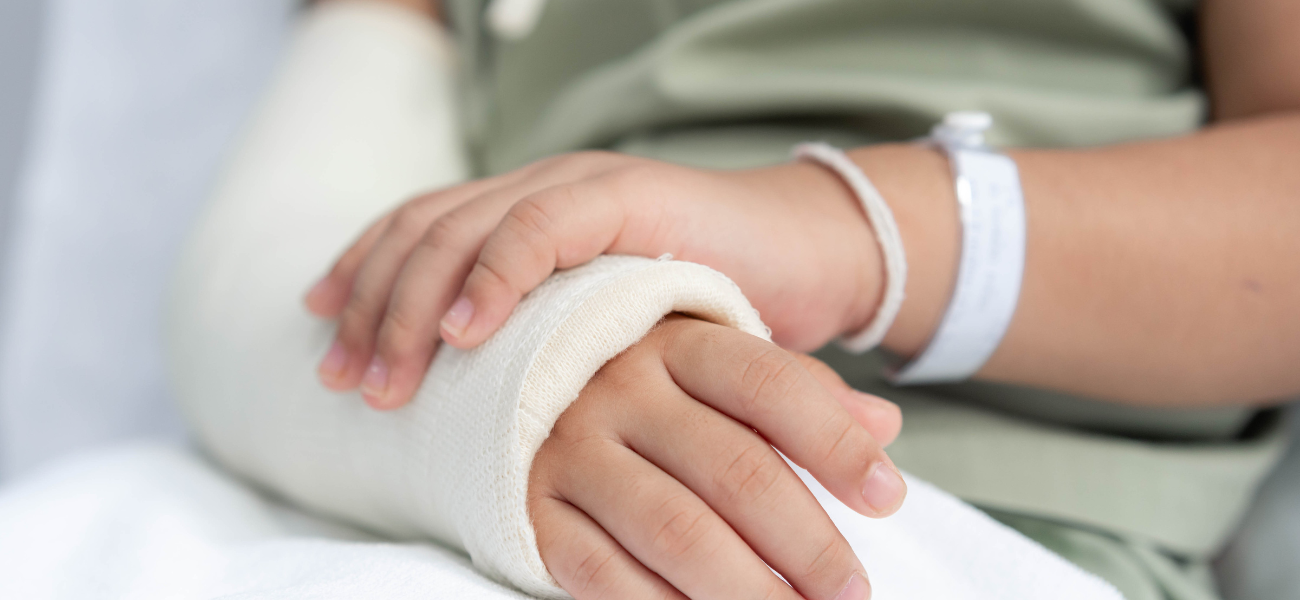
You slip on a wet floor, try to break the fall with your hand, and within seconds your forearm starts swelling. The pain is sharp, your wrist feels weak, and moving the arm becomes difficult. At that moment, most people ask the same question: Is this serious—and who should I see?
Forearm Fractures are common after falls, sports injuries, road accidents, and even minor trauma in children. The good news is that with the right care at the right time, most people recover well. This guide will help you understand what a forearm fracture is, what treatment usually involves, and how to choose the right specialist—especially if you’re searching for a Bone Doctor in Delhi.
What Exactly Are Forearm Fractures?
Your forearm has two bones: the radius and the ulna. A fracture can involve one bone or both. It can happen near the wrist, in the middle of the forearm, or closer to the elbow. The type of break matters because it affects stability, movement, and the best treatment plan.
A fracture may be:
- Non-displaced (bone stays in place)
- Displaced (bone shifts)
- Comminuted (bone breaks into multiple pieces)
- Open fracture (bone may break through the skin)
Even when a fracture looks “small” on the outside, the bones, soft tissues, nerves, and blood vessels around the forearm can be affected. That’s why proper evaluation is important.
Common Signs You May Have a Forearm Fracture
Not every injury is a fracture, but these signs should raise concern:
- Immediate pain after a fall or impact
- Swelling and bruising that increases over hours
- Visible deformity or abnormal angle
- Difficulty rotating the forearm (turning palm up/down)
- Pain while gripping or moving the wrist/elbow
- Numbness, tingling, or cold fingers (urgent sign)
If you see deformity, severe swelling, or numbness, it’s best to treat it as urgent.
First Things to Do After a Suspected Forearm Fracture
Before you reach a clinic or hospital, simple steps can reduce complications:
- Keep the arm still (avoid twisting or straightening forcefully)
- Use a temporary support (a sling, towel, or cloth)
- Apply a cold pack wrapped in cloth for 10–15 minutes
- Remove rings or tight accessories (swelling can trap them)
- Seek medical evaluation early, especially if pain is severe
Avoid massaging the area or trying to “set” the bone at home.
Forearm Fractures Treatment: What Patients Can Expect
Forearm Fractures treatment depends on the fracture type, age, bone alignment, and joint involvement.
1) X-ray and Examination
A doctor usually confirms the diagnosis with an X-ray. Sometimes additional imaging may be advised if the injury is complex or near a joint.
2) Non-Surgical Treatment (Casting/Splinting)
If the bones are aligned well, treatment may include:
- Immobilization with a splint initially (to accommodate swelling)
- A cast after swelling reduces
- Follow-up X-rays to ensure alignment stays stable
This approach is common in stable fractures, and also in many children’s fractures depending on the pattern.
3) Reduction (Setting the Bone) + Cast
If the bone is displaced, the doctor may need to realign it (called reduction) before applying a cast. This is done carefully and followed by close monitoring.
4) Surgical Treatment (If Needed)
Surgery may be considered when:
- Both bones are fractured and unstable
- The fracture is displaced and cannot stay aligned in a cast
- The fracture involves the joint surface
- There is an open fracture or neurovascular concern
Surgical fixation aims to restore proper alignment so the arm can regain rotation and strength over time.
5) Rehabilitation and Physiotherapy
After immobilization or surgery, stiffness is common. Rehab may include:
- Gentle range-of-motion exercises (as advised)
- Gradual strengthening
- Return-to-work/sports planning
Good rehab is often the difference between “bone healed” and “arm fully functional.”
Why Choosing the Right Doctor Matters
Forearm fractures are not only about bone healing—they’re about restoring the ability to:
- rotate the forearm (turn a key, use a phone, eat comfortably)
- grip strongly
- move wrist and elbow smoothly
A well-managed fracture reduces the risk of long-term issues like malalignment, reduced rotation, persistent pain, or delayed healing. This is why many patients prefer consulting an orthopedic specialist (bone and joint doctor) early.
How to Choose a Bone Doctor in Delhi for Forearm Fracture
If you’re searching for a Bone Doctor in Delhi, use this simple checklist to make a confident choice.
1) Look for Orthopedic/Fracture Care Experience
Forearm fractures can be straightforward—or tricky. Choose a doctor who regularly manages:
- wrist and forearm injuries
- sports/trauma fractures
- casting and surgical fixation when required
Practical experience matters because correct alignment and rotation are crucial in forearm healing.
2) Ask About the Treatment Plan (Not Just a Cast)
A good doctor will explain:
- what type of fracture you likely have
- why casting or surgery is recommended
- how long immobilization may be needed
- what follow-ups are required
- when physiotherapy should start
Clear communication is a strong sign you’re in the right place.
3) Check for Proper Imaging and Follow-Up Protocol
Forearm fractures often need follow-up imaging to confirm the bone hasn’t shifted after initial treatment. Ask:
- “When should I repeat the X-ray?”
- “How will you monitor alignment during healing?”
A structured follow-up plan improves outcomes.
4) Focus on Functional Recovery
Healing is not only “bone joined.” Ask:
- “How will I regain wrist and elbow movement?”
- “What is the plan for forearm rotation recovery?”
- “When can I return to work, driving, gym, or sports?”
A doctor who discusses function and rehab is usually more recovery-focused.
5) Understand Emergency Readiness
Choose a setup where urgent warning signs are handled properly, such as:
- increasing swelling with numbness
- severe pain not settling
- finger color changes
- suspected open injury
Even if your fracture seems simple, it’s helpful to know the facility can respond quickly if needed.
6) Read Reviews for Communication and Follow-Up
When evaluating doctors online, look less at “5 stars” and more at patterns like:
- “Explained clearly”
- “Good follow-up”
- “Didn’t rush”
- “Helped with rehab guidance”
These are often more meaningful than generic praise.
Meet Dr. Apoorv Dua: Orthopedic Care for Fracture Patients
If you are looking for clinical guidance for Forearm Fractures, you may consider consulting Dr. Apoorv Dua, an Orthopedic Surgeon who manages bone and joint conditions, including fracture evaluation, casting/splinting decisions, and follow-up care.
During a forearm fracture consultation, the focus is usually on:
- Understanding the fracture pattern on X-ray
- Discussing whether the injury is likely to heal with immobilization or needs further intervention
- Planning follow-ups to monitor healing
- Guidance on safe return to movement and rehabilitation
Choosing a doctor who explains options clearly and supports recovery planning can help patients feel more confident throughout the treatment journey.
Questions to Ask During Your First Visit
Carry these questions—patients who ask better questions often get better clarity:
- What bone is fractured—radius, ulna, or both?
- Is the fracture displaced or stable?
- Will a cast be enough, or is reduction/surgery likely?
- How long will the cast/splint stay?
- When is the next follow-up and X-ray?
- What movements should I avoid during healing?
- When should physiotherapy start?
- What warning signs mean I should come back immediately?
Red Flags: Don’t Delay Medical Care If You Notice These
Seek urgent evaluation if you have:
- numbness/tingling in fingers
- fingers turning pale/blue or feeling cold
- severe swelling that keeps increasing
- open wound near the fracture
- worsening pain despite rest and support
These signs can indicate circulation or nerve involvement
Practical Tips for a Smoother Recovery
While healing depends on your fracture type and doctor’s plan, these general habits support recovery:
- Keep the limb elevated during early swelling
- Avoid getting the cast wet
- Don’t insert objects into the cast (skin injury risk)
- Attend follow-ups even if pain is less
- Start rehab only when advised
- Be patient—strength returns gradually
Final Takeaway
A forearm injury can disrupt daily life fast—work, driving, cooking, even simple tasks. The key is not only getting a diagnosis but choosing the right care pathway. Forearm Fractures need proper alignment, stable healing, and a plan for movement recovery. With the right Forearm Fractures treatment and the right specialist, most patients return to normal routines safely.
If you’re evaluating options for a Bone Doctor in Delhi, use the checklist in this guide, ask the right questions, and prioritize clear communication plus structured follow-up. That combination helps you heal with confidence—and with better long-term function.
