

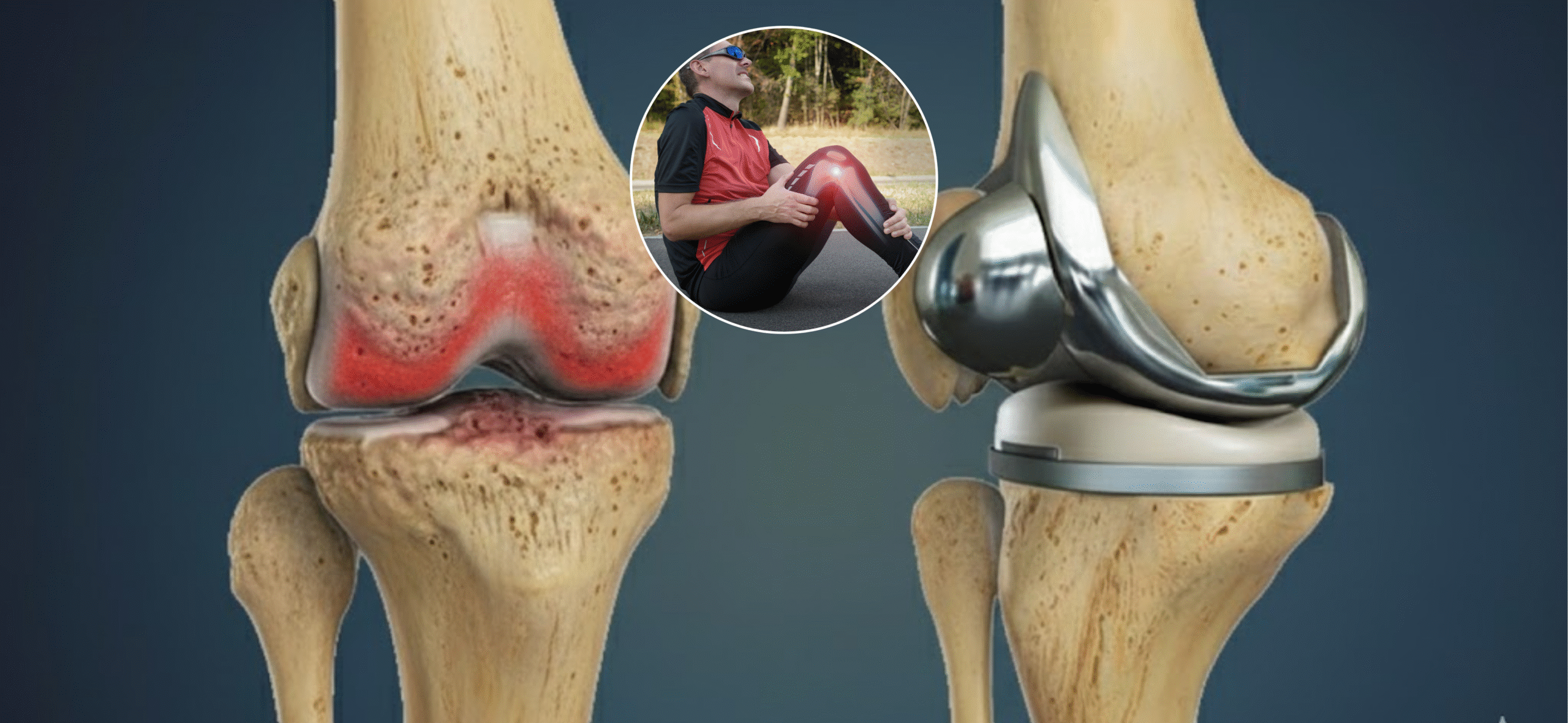
Knee pain usually starts quietly. First, it’s uncomfortable while climbing stairs. Then stiffness after sitting for long hours. Over time, walking short distances becomes painful, sleep gets disturbed, and daily life starts revolving around pain management. Many people live with this pain for years, hoping it will improve on its own.
But what happens when medicines, exercises, and injections stop working? That’s when people begin searching seriously about knee replacement treatment—not because they want surgery, but because they want their life back.
This blog is written to help you understand when knee replacement becomes necessary, what the procedure actually means for patients, and how to make the right decision without fear or confusion.
Why Knee Pain Becomes a Daily Struggle
The knee joint carries most of the body’s weight and absorbs constant stress during walking, standing, and bending. With age, injury, or long-term wear and tear, the protective cartilage inside the knee starts breaking down.
Common reasons knee pain worsens over time include:
- Osteoarthritis causing cartilage damage
- Old knee injuries that never healed properly
- Long-term obesity putting excess pressure on joints
- Weak muscles around the knee
- Poor posture and repetitive strain
In early stages, pain may come and go. But as damage progresses, pain becomes constant and starts limiting normal movement.
When Is Knee Pain No Longer “Normal”?
Many patients delay treatment because they believe knee pain is just part of aging. While mild discomfort can be common, persistent pain is not normal.
You should not ignore knee pain if:
- Pain continues even while resting
- Walking short distances becomes difficult
- Knees feel stiff, especially in the morning
- Swelling keeps returning
- Pain affects sleep and daily activities
- Medicines no longer provide relief
These signs often indicate advanced joint damage where conservative treatment may no longer be enough.
What Is Knee Replacement Treatment?
Knee replacement treatment is a surgical procedure where damaged parts of the knee joint are replaced with artificial components designed to restore smooth movement and reduce pain.
It is usually recommended when:
- Cartilage damage is severe
- Joint deformity affects walking
- Pain significantly reduces quality of life
- Non-surgical treatments have failed
The goal is not just pain relief, but to help patients return to everyday activities with better mobility and confidence.
Common Myths About Knee Replacement
“I’m too old for surgery”
Age alone is not a deciding factor. Many patients in their 60s, 70s, and even older benefit greatly from knee replacement when medically fit.
“Surgery means long bed rest”
Modern knee replacement techniques focus on early movement. Most patients start walking with support within a short time.
“Pain after surgery is worse than knee pain”
Post-surgery pain is temporary and controlled with proper care. Chronic knee pain before surgery often causes more long-term suffering.
Life Before and After Knee Replacement
Before Surgery
Patients often experience:
- Constant pain
- Limited movement
- Dependence on painkillers
- Reduced independence
After Recovery
Many patients report:
- Significant pain relief
- Improved walking ability
- Better sleep
- Increased confidence in daily life
Recovery takes time and effort, but for the right patient, the outcome can be life-changing.
Is Knee Replacement the Only Option?
Not always. Before considering surgery, doctors usually recommend:
- Physiotherapy and strengthening exercises
- Weight management
- Pain-relief medications
- Joint injections
However, when these options stop working and joint damage is advanced, delaying surgery may lead to further muscle weakness and reduced outcomes.
Emotional Side of Living with Chronic Knee Pain
Knee pain doesn’t just affect the body—it affects the mind too. Patients often feel frustrated, dependent, and socially withdrawn. Simple activities like walking in a park, attending family functions, or playing with grandchildren become difficult.
Understanding this emotional burden is important when deciding about knee replacement treatment. Surgery is not just about fixing a joint—it’s about restoring independence.
How the Right Medical Guidance Makes a Difference
Choosing the right time for knee replacement is as important as the procedure itself. Clear evaluation, honest discussion, and patient education help individuals feel confident about their decision.
A Thoughtful Approach to Knee Replacement
According to Dr. Apoorv Dua, an experienced orthopedic specialist, the decision for knee replacement should always be patient-centered. He emphasizes that surgery is considered only when pain starts controlling the patient’s life rather than the other way around. Early evaluation, proper diagnosis, and realistic expectations play a crucial role in long-term success.
This balanced approach helps patients feel informed rather than pressured.
Preparing Yourself for Knee Replacement
If surgery is recommended, preparation matters:
- Strengthening leg muscles before surgery
- Managing medical conditions like diabetes or blood pressure
- Understanding the recovery process
- Setting realistic goals
Patients who are mentally and physically prepared often recover better.
Recovery: What Patients Should Expect
Recovery is gradual and depends on:
- Physical therapy participation
- Overall health
- Lifestyle habits
Most patients see steady improvement over weeks to months. Consistency with exercises and follow-ups plays a major role in regaining movement and strength.
Frequently Asked Questions
Is knee replacement treatment permanent?
Artificial knee joints are designed to last many years. With proper care, they can provide long-term relief.
How long does recovery take?
Basic daily activities usually improve within weeks, while full recovery may take a few months.
Will I be able to walk normally again?
Most patients experience significant improvement in walking and daily activities after recovery.
Living with constant knee pain is not something you should accept as normal. When pain starts limiting your independence and joy, it may be time to explore knee replacement treatment as a solution.
The right decision comes from understanding your condition, knowing your options, and receiving guidance that prioritizes your well-being. With proper evaluation and care, knee replacement can help you move forward—literally and emotionally—toward a more comfortable and active life.
